As of February 2026, one active listing feed tagged simply "Section 10" showed homes priced anywhere from the $300s to more than $5 million, all inside the same subdivision boundary. That is not a wide price range for a neighborhood. That is two neighborhoods sharing one name on the MLS.
The spread is not random and it is not a sign that Section 10 is simply diverse in the way real estate copy likes to claim every neighborhood is diverse. It is the direct result of a specific development landing inside a specific, much older grid of streets. Blue Heron's Prado community put brand-new, architecturally distinct homes priced from roughly $2 million to $6.5 million on lots carved out of a subdivision where the surrounding houses, built mostly across the late 1970s and 1980s, still trade closer to $800,000 to $1.5 million. Both sit inside the same boundary: West Sahara Avenue, South Buffalo Drive, West Desert Inn Road, and Rainbow Boulevard, a stretch of the northwest valley that predates Summerlin by decades. If you are pricing a purchase or a listing here, the neighborhood-level number on any portal is close to useless. What matters is which of the two markets your specific lot actually belongs to.
What $800,000 Buys Versus What $2 Million Buys, a Few Blocks Apart
Section 10's original housing stock is what gave the area its reputation in the first place: half-acre to full-acre-plus lots, custom floor plans with no repeated elevation, and streets where no mandatory HOA dictates paint colors or landscaping, apart from a handful of gated cul-de-sacs that do run their own rules. That stock still defines most of the neighborhood, and it still prices where it has for years, generally in the high six figures to low seven figures depending on lot size, condition, and how recently the home was updated.
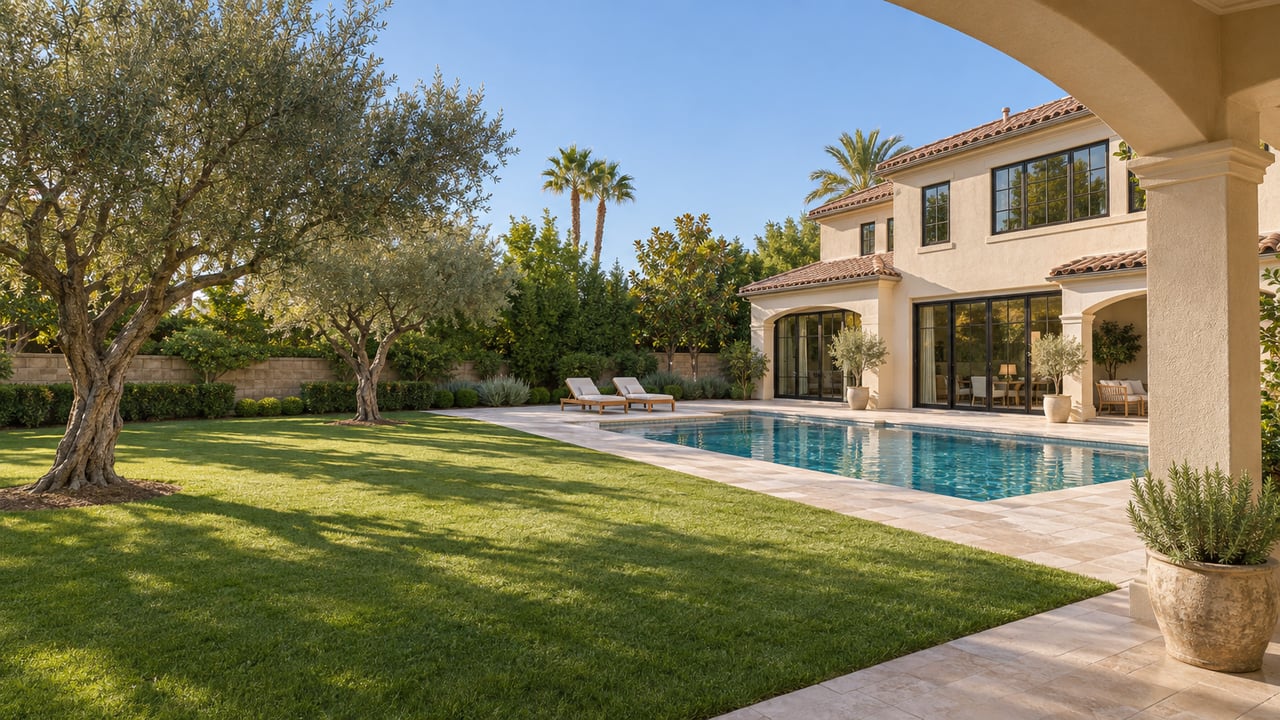
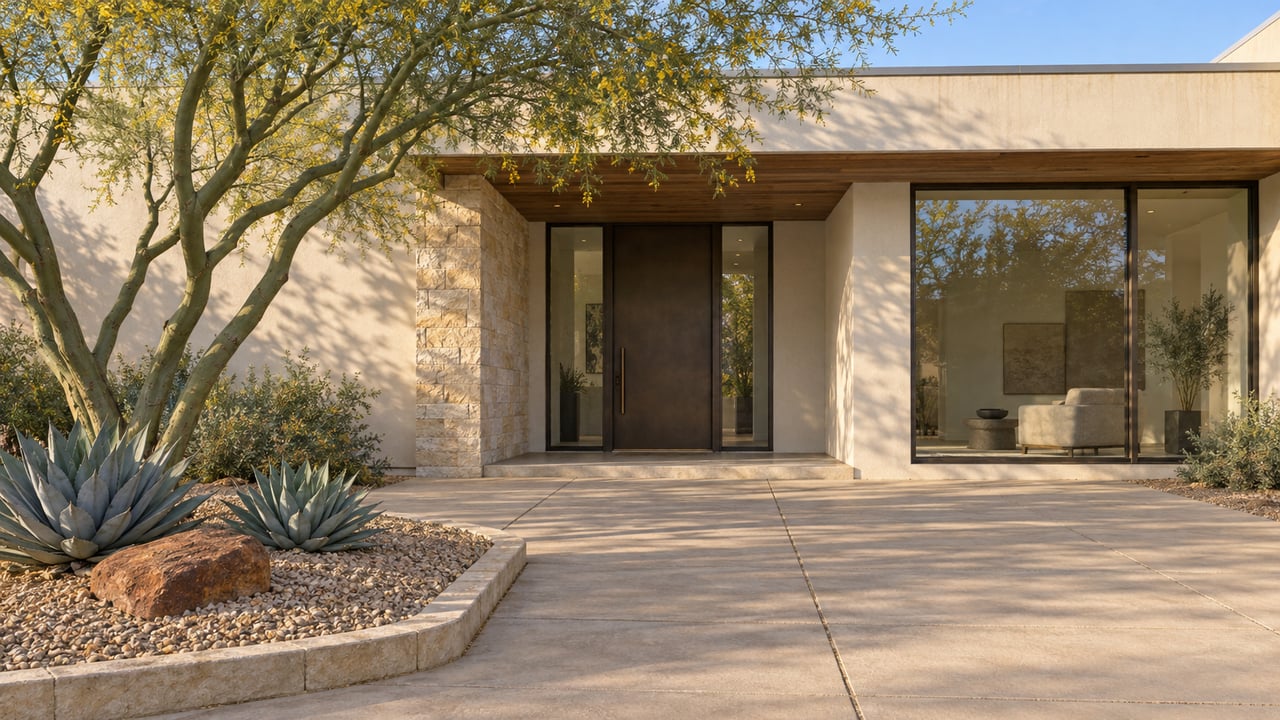
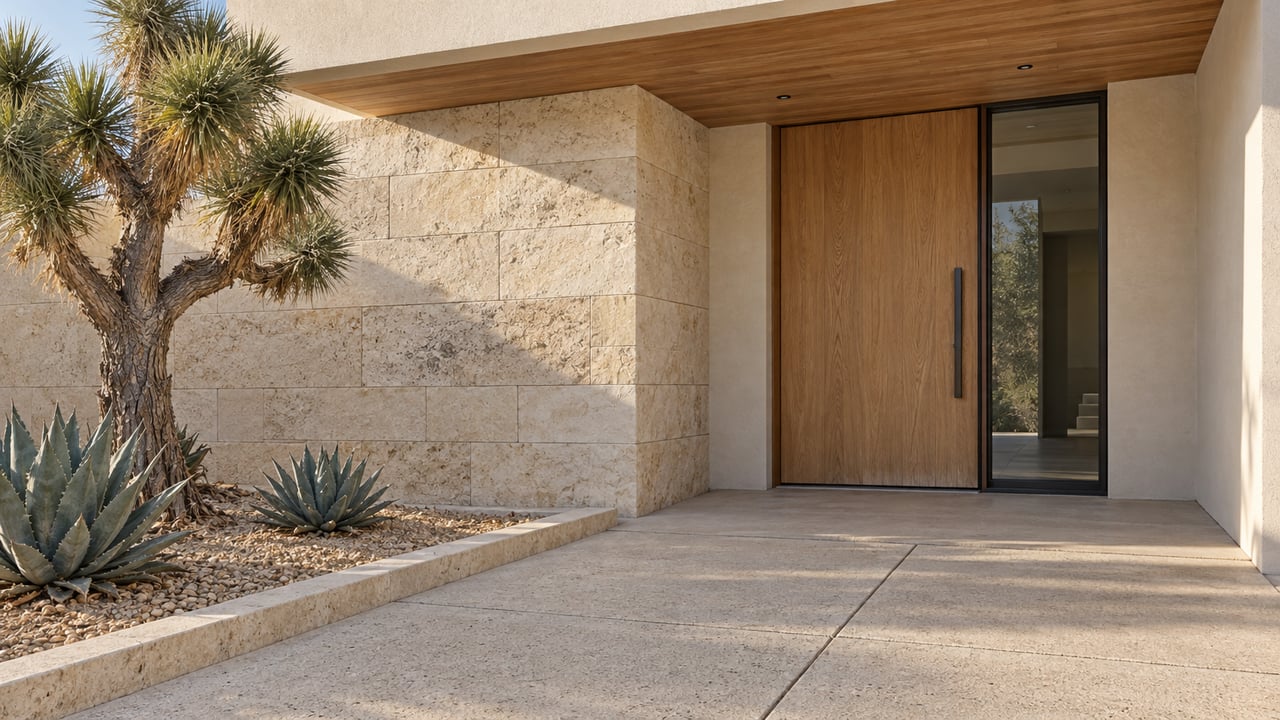
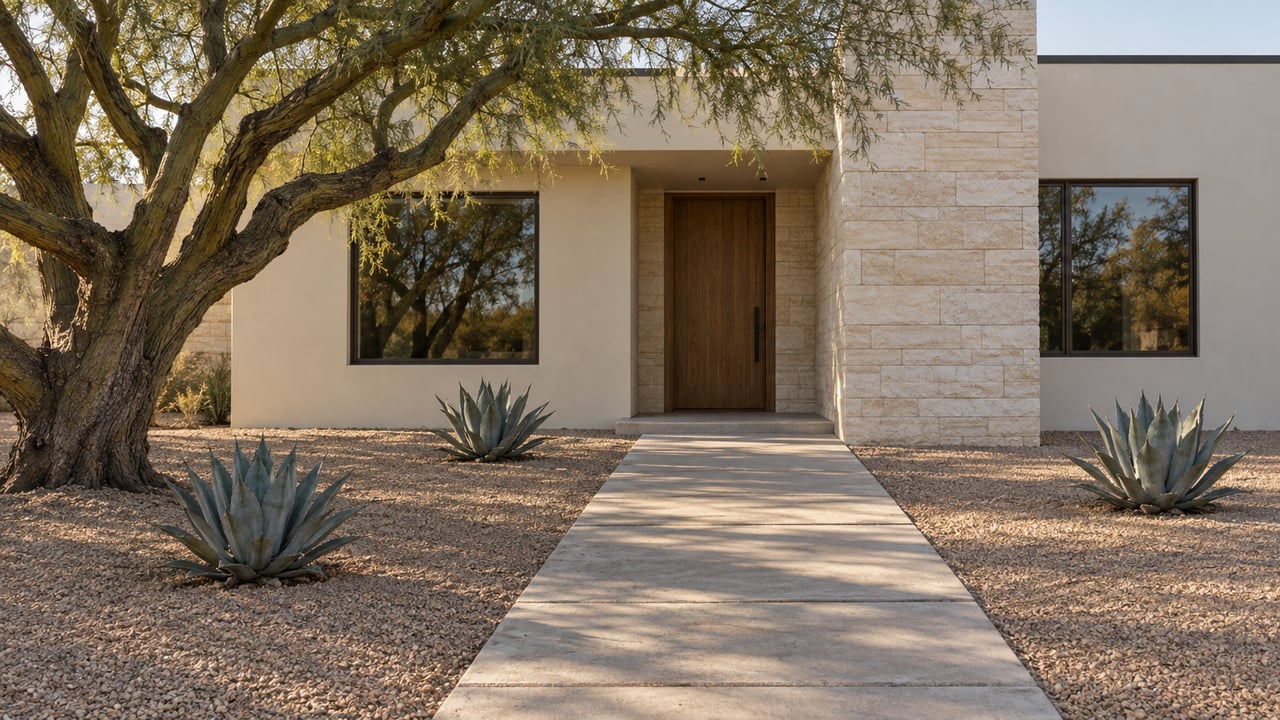
Prado is a different product entirely. Blue Heron assembled roughly 10 acres inside Section 10 and turned it into 18 half-acre homesites, launching in June 2023 with starting prices around $1.8 million and an average sale near $3.5 million. By 2025, listing sources for the community put the entry price closer to $2.07 million, with the average holding around the same $3.5 million mark, meaning the floor moved up while the ceiling stayed put. The community sold through its first batch quickly enough that Blue Heron has since opened nine additional homesites down the street on Eldora Avenue and Montessouri Street, an expansion the builder describes as continuing the same product rather than a new concept.
The showpiece is a 5,887-square-foot spec home at 7388 Olive Creek Court, sitting on a half-acre lot with four en suite bedrooms, a sky deck facing the Strip, and an asking price of $6.5 million. That listing first surfaced in Blue Heron's marketing in late 2023 and the same address, same square footage, and same $6.5 million figure is still showing on Blue Heron's own site in the middle of 2026. The matching asking prices are a data point, but they do not establish an uninterrupted listing or tell you how quickly this top tier turns over.
Blue Heron's own floor plan names, Valle, Cresta, and Sancta, each promise something the older stock structurally cannot: soaring double-height great rooms, optional third-level sky decks, biophilic detailing baked in at construction rather than added later. None of that competes with a 1985 ranch house on the next street. It also does not comp against it.
Why the Old Section 10 Never Had Comps to Begin With
Even before Prado existed, appraising a home in Section 10 was harder than appraising a home in a master-planned tract nearby. The whole point of the neighborhood, going back to its earliest custom builds, is that no two houses are alike. One parcel might carry horse-friendly zoning. The parcel next door might have none of that. A three-car garage compound with a casita reads nothing like a single-story ranch with an RV gate, even if both sit on identical half-acre lots two doors apart.
Turnover compounds the problem. Large-lot custom estates here trade infrequently by design, which means an appraiser working a file in 2026 may be pulling comparable sales from homes that closed years apart, on lots that differ in size, condition, and improvements in ways a production subdivision never would. Lenders have effectively built this into their process: large-lot custom properties with limited comparable sales routinely require additional appraisal documentation before a loan clears underwriting.
That was already true before a single Prado home closed. Prado did not create the comp problem. It gave the neighborhood a second, higher tier that makes the problem visible in a way a simple price range on a listing site cannot hide.
What Two Markets Do to a Loan File
The financing path through Section 10 now splits almost as cleanly as the price range does. Entry-level custom estates in the legacy stock are priced near $800,000, and most buyers here put down somewhere between 10 and 25 percent.
Jumbo lenders typically want 20 to 25 percent down plus documented reserves, on top of the same large-lot appraisal scrutiny that already applies to the older stock. A buyer comparing a $2 million Prado home to an $800,000 legacy estate two streets over is not just comparing square footage and finish level. They are comparing two different underwriting conversations, with two different sets of reserve requirements and two different appraisal review processes, inside what a portal will still describe as a single neighborhood.
What This Means If You're Pricing a Purchase or a Listing Here
If you own one of the older custom homes and a Prado sale just closed at $3 million, that sale is not going to lift your appraisal the way a comparable sale in a tract subdivision would. The appraiser reviewing your file has to explain why a brand-new architecturally distinct build is or is not usable as a comp for a 40-year-old custom ranch, and the honest answer in most cases is that it is not, at least not without heavy adjustment. Pricing a listing here around what Prado is doing, rather than around actual sales of comparable vintage homes, is the fastest way to sit on the market.
If you are buying into Prado expecting the surrounding neighborhood's older, lower price points to somehow anchor your appraisal down, the opposite risk applies. New construction with unique floor plans and premium finishes appraises against other new construction, not against a resale ranch house down the block regardless of how close the two sit on a map.
Either direction, the practical step is the same: confirm early in escrow, through title, whether your specific parcel carries any recorded covenants, since a small number of older deed restrictions do exist on certain blocks even though most of Section 10 carries no mandatory HOA. Ask your lender directly whether your target home will trigger the additional appraisal documentation that large-lot custom properties commonly require, rather than assuming a standard resale timeline. And if horse zoning matters to you, verify it parcel by parcel rather than by neighborhood reputation, since zoning inside Section 10 is not uniform lot to lot.
A Few Questions Worth Asking Directly
Does every lot in Section 10 allow horses? No. Horse-friendly zoning exists in pockets of the neighborhood, but it is parcel-specific rather than neighborhood-wide, so it needs to be confirmed for the exact address rather than assumed from the area's reputation.
Will I need a jumbo loan to buy here? It depends entirely on which tier you are buying into. Ask your lender which financing options fit the specific property.
Does Section 10 have an HOA? Most of the neighborhood does not carry a mandatory HOA, which is part of its original appeal. A handful of gated cul-de-sacs run their own association, and a small number of older recorded covenants exist on specific blocks, so confirming the exact parcel's status through title remains a necessary step rather than an assumption.
If you are trying to figure out which side of Section 10's price split your target home actually falls on, or what that means for financing before you write an offer, Las Vegas Realty Specialists can walk through the specific parcel with you and get you a free home valuation grounded in the right comps, not the neighborhood average.
This article is general information, not legal, tax or financial advice. Consult a qualified professional about your situation.